

Good Morning. It's Tuesday 22nd September, and here are the latest headlines from Elland Road...
Vindicatation for Underwood & Evans' Recruitment Revolution
Leeds United’s recruitment reboot is delivering the best bang for the buck in the Premier League. Two summers after Angus Kinnear and Nick Hammond departed for Everton, the internal promotions of Adam Underwood and Robbie Evans have produced a squad that sits top of Transfermarkt’s cost-per-point table, nine points at €11.1 million each. Kinnear left as CEO after overseeing two promotions. Hammond, the experienced transfer consultant who had worked closely with the football operation, followed him to Merseyside. Evans, who arrived from the San Francisco 49ers in 2023 as chief strategy officer and already oversaw recruitment and analytics, became managing director. Underwood, academy manager since 2014 and head of football operations from 2023, was made sporting director with full oversight of player trading.Underwood’s decade at Thorp Arch gave him deep institutional knowledge. Evans brought the data discipline and long-term planning the ownership group wanted. Head of recruitment Alex Davies completed the trio. The message from chairman Paraag Marathe was explicit: these were leaders who already represented the club. The 2025 summer after promotion was about raising the floor. Leeds spent around £100 million on physical, experienced players who could survive the Premier League: Dominic Calvert-Lewin (free), James Justin, Anton Stach, Lukas Nmecha, Jaka Bijol and others. Critics wanted more attacking flair on deadline day. The result was 14th place and an FA Cup semi-final. Survival first; the signings did their jobs!
With the foundation in place, Underwood, Evans and Davies targeted upgrades rather than volume. Harry Wilson arrived on a free from Fulham after his best season. Tarik Muharemović (£34 million from Sassuolo) and Nico Elvedi added defensive quality. James Trafford, the England international, became the most expensive British goalkeeper in history at an initial £40 million from Manchester City. Net spend stayed controlled. The squad looks younger in key positions and better equipped for a longer stay in the top flight. Early results match the plan; five games, nine points, fifth in the table.
Trafford has settled immediately. Muharemović has started every league minute. Wilson has added quality on the right. The cost-per-point ranking is the public proof that the money has been spent more efficiently than almost anyone else. Leeds no longer rely on one senior deal-maker. Underwood handles the majority of agent and club negotiations. Evans and the analytics team set the non-negotiable profiles. Davies and the scouts refine the shortlists. Daniel Farke signs off every significant target. The club talks about projected exit values and avoiding falling in love with a single name. That discipline showed when they pivoted quickly from Rodrigo Muniz to Calvert-Lewin last year and when they landed their top targets early this summer rather than scrambling on deadline day.
Underwood’s academy background still matters. The same department that produced Archie Gray and others now feeds into first-team recruitment . The long-term aim, as Underwood has said publicly, is an established Premier League club that can push toward the top half rather than yo-yo. The graphic will change as the season progresses. Nine points from five games is a small sample. Yet the underlying picture is already clear: after losing two experienced executives to a rival, Leeds promoted people who knew the club and the ownership’s methods. They spent significant money in both windows without losing financial control. They have an international goalkeeper who looks the part, a defence that can compete, and a points-per-pound ratio that currently leads the league.

Is this the end of the road for Dan James?
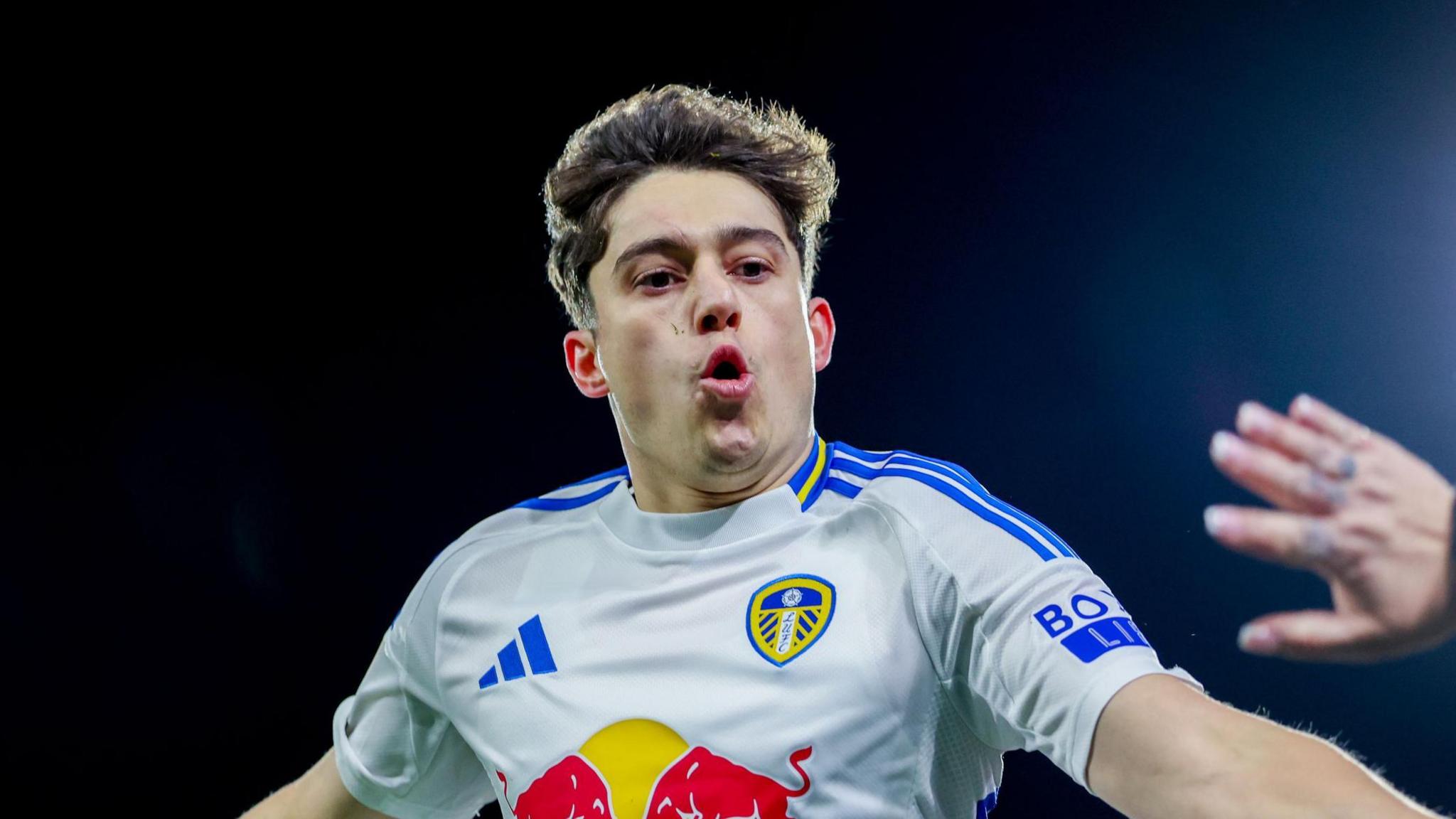
Leeds fans were jubilant when, in July 2025, Dan James put pen to paper on a new four-year contract at Elland Road. Fourteen months on, he is not the same player. The deal was meant to lock in a winger who had been central to Farke’s best sides: pace, pressing, work-rate. Last season, the drop-off began. Injuries ate months of the campaign; he made 19 league appearances, started only a handful, scored none, and finished the year on the edge of a team that had already changed shape.That shape is now settled. Farke’s back three, in place since the Manchester City game late November 2025, made Leeds harder to play through. It also squeezed out the traditional winger. The wide jobs belong to wing-backs who can defend first: Jayden Bogle, James Justin, Gabriel Gudmundsson and Melvin Bard. The attacking jobs belong to strikers and No.10s who can receive between the lines: Dominic Calvert-Lewin, Noah Okafor, Harry Wilson, Brenden Aaronson, Jean-Matteo Bahoya.
The minutes this season are thin. Three Premier League substitute appearances. No league start. Roughly 50 minutes across Brentford, Newcastle and Crystal Palace, the last of those a 67th-minute swap for Bogle. The Carabao Cup was the only place he started: a goal in the 2-0 win at Nottingham Forest, then 65 minutes at Chelsea, where he gave away the penalty that began a 6-3 defeat and Leeds’ exit. Wilfried Gnonto hit the same wall and left on loan.
James is still here because of a contract that is only 14 months old, not because the system has a role for him. At 28, the burst that used to define him is no longer an argument for selection, neither is his effort! He simply does not fit. January is the first real chance to move him. Keep him and Leeds carry a senior winger in a side that does not use wingers. Sell him and they cut a popular professional three years early. Waiting until next summer only makes it harder. Fans were right to cheer that signature last July; the football since then has been a different story.