


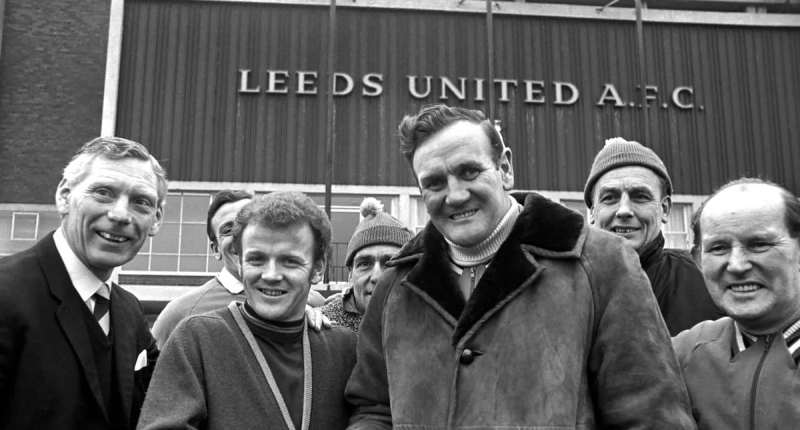
Before Don Revie arrived at Elland Road, Leeds United were a modest, unremarkable club with little to suggest they'd ever trouble the top of English football. Within a decade, they'd become one of the most feared and respected sides in the country, admired for their organisation and despised in equal measure for their physicality. Understanding how that transformation happened says as much about football management in the 1960s and 70s as it does about Leeds themselves.
A Club Rebuilt From the Ground Up
When Revie took charge in 1961, Leeds were struggling in the old Second Division with little money and even less reputation. Rather than making sweeping changes overnight, he focused on rebuilding the club's foundations, particularly its youth setup, believing that lasting success needed to be built rather than bought.This patience paid off gradually. Leeds returned to the First Division by the mid-1960s, and the squad Revie had carefully assembled, blending homegrown talent with shrewd signings, began to show the discipline and resilience that would define the club for years afterwards.
The Family Culture That Shaped the Squad
One of the most distinctive aspects of Revie's management was the sense of togetherness he built within the squad. Players regularly socialised together outside training, and Revie treated the dressing room almost like an extended family, going out of his way to know players personally rather than simply managing them from a distance.This approach created a loyalty among players that was unusual for the era. Many of the squad members who came through under Revie stayed at the club for the majority of their careers, developing an understanding of each other's play that opposition sides struggled to break down.
Attention to Detail Ahead of Its Time
Revie was known for his meticulous preparation, something that wasn't standard practice in English football at the time. He compiled detailed dossiers on upcoming opponents, studying their strengths and weaknesses in a way that predated the analytics culture now common throughout the modern game.This thoroughness extended to how Leeds approached matches tactically. Rather than relying purely on individual talent, Revie's Leeds were drilled to exploit specific weaknesses in opposition sides, giving them an edge that often frustrated teams with arguably more natural ability. The same interest in analysing performance and identifying where expectations differ from available information can be seen in modern football data analysis, including discussions around queries like what is value betting, where statistical assessment is used to compare estimated probabilities with market prices.
Success on the Pitch
Under Revie, Leeds won the First Division title, lifted the FA Cup, and picked up European honours too, establishing themselves as genuine contenders on both domestic and continental stages. For a club that had been fighting relegation from the second tier just a few years earlier, this represented an extraordinary shift in fortunes.What made this success particularly notable was its consistency. Leeds weren't a side that peaked for one memorable season before fading. They remained competitive across multiple campaigns, regularly finishing near the top of the table and reaching the closing stages of major cup competitions.
The Reputation That Followed the Success
Leeds' aggressive, uncompromising style of play under Revie earned them a reputation that has followed the club ever since. Opposition fans and pundits often labelled them "Dirty Leeds," a nickname rooted in their physical approach to matches and their reluctance to back down from confrontation on the pitch.This reputation has always divided opinion. Leeds supporters have generally viewed it as an unfair characterisation of a side that was simply hard-working and disciplined, while critics argued the physicality crossed a line more often than Leeds fans were willing to admit. Either way, the label stuck, and it remains part of how the Revie era is remembered outside Yorkshire.
What Leeds Fans Still Take From the Revie Years
For many Leeds supporters, particularly those old enough to have watched the team during this period, the Revie years represent the clearest evidence of what the club can achieve under the right leadership. It's a period frequently referenced whenever discussions turn to what Leeds should be aiming for again, especially during the club's more difficult spells in the decades since.The methods Revie used, focusing on youth development, tactical preparation and squad unity, remain relevant to how football clubs think about building sustainable success today, even if the specific style of play has moved on considerably.
A Legacy Built on More Than Trophies
Revie's time at Leeds wasn't just about the honours won, though there were plenty. It was about proving that a club without significant financial backing could compete with, and regularly beat, sides with considerably more resources through organisation, preparation and genuine togetherness within the squad.That legacy continues to shape how Leeds United is discussed today, whether fans are reflecting on past glory or hoping for a return to the kind of consistent success the club experienced under Revie's leadership all those years ago.