


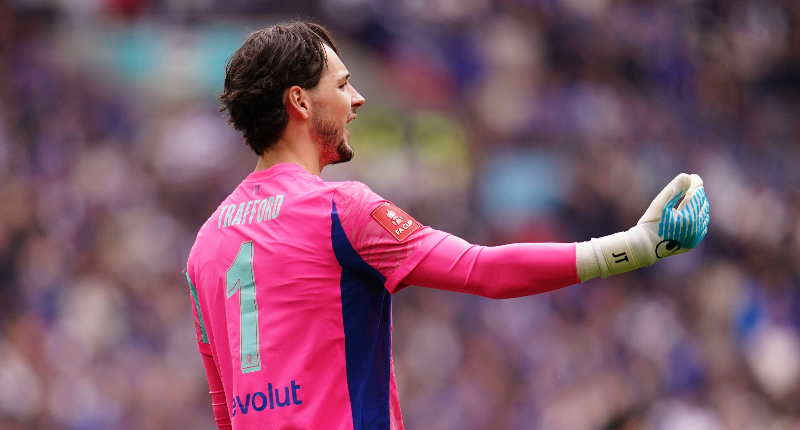
Every goalkeeper has a routine before walking onto the pitch. Boots get checked, kit gets adjusted and hands are prepared for the first save. But one important piece of equipment can easily be overlooked: the gloves. After months of training and regular matches, even a favourite pair can start to change. The question is simple: are they still helping, or are they beginning to hold you back? A few quick checks can help you find out.
Start With the Grip
Grip is one of the first things to check because it directly affects how the ball feels in your hands. Take some catches, deal with crosses and face shots at different speeds. Does the ball still feel secure, or are catches becoming harder to control? If the grip feels different, check the palm before assuming the latex is worn. Dirt and residue can affect how the glove feels, so proper cleaning may improve the grip if the latex is still in good condition.However, if the latex has become noticeably smooth, thin, cracked or damaged, the loss of grip is more likely to be caused by wear. When comparing goalkeeper gloves for soccer, grip is important, but fit, durability and the conditions in which the gloves will be used also matter.
Inspect the Condition
Once the grip has been checked, take a closer look at the overall condition of the gloves. Regular contact with the ball, ground and playing surface can gradually affect different parts of the glove. Check the palm, fingers, stitching, backhand and wrist area before a match. Small scuffs are normal, particularly on training gloves, but the following signs may indicate more serious wear:- Peeling or heavily worn latex
- Cracked palms
- Damaged stitching
- Tears around the fingers
- Loose or damaged wrist closures
- Fingers that no longer sit correctly
Check the Fit
After checking the condition of the gloves, make sure they still fit as they should. A good fit should feel secure without restricting natural hand movement. Flex your fingers, make a fist and move your wrists. There should not be excessive movement inside the glove, but your fingers should not feel compressed either.If the gloves feel different from when you first bought them, the cut may be part of the reason. Different glove cuts provide different amounts of space around the fingers and palm, so two gloves in the same size can feel quite different. Pay attention to the wrist as well. If the strap constantly needs adjusting or the glove feels uncomfortable during normal movements, the fit may need another look.
Test Them Under Pressure
A pair of gloves can look fine on the bench and feel completely different once the session starts. That is why the next step is to test them while actually making saves. Ask a teammate to vary the shots and try high balls, low saves, reaction stops and catches from different angles. This gives a better indication of how the gloves feel during realistic goalkeeping situations.Pay attention to anything that affects your concentration or movement. If the gloves become distracting when you need to react quickly, it may be a sign that the fit, feel or condition is no longer working for you. This is particularly important for training gloves, which can experience more frequent use and repeated contact with the ground. Regular washing and continued use can also contribute to gradual wear over time.
Consider the Weather
Once the gloves have passed the basic checks, think about the conditions in which they will be used. Rain and wet pitches can change how the ball and gloves feel during a match, while cold weather can affect how your hands feel at the start of a session. If possible, test your gloves in conditions similar to those expected on match day. This can help you understand how they perform before you need them in a competitive situation.Good maintenance also matters, particularly after playing in wet conditions. Excessive heat can damage glove materials, so allow gloves to dry naturally after use.
Know When to Replace Them
After checking the grip, condition, fit and performance, it becomes easier to decide whether your gloves are still ready for regular use. There is no fixed number of matches that determines when gloves need replacing. Training frequency, playing surface, construction, care and general usage can all affect how long they last.Instead, focus on how the gloves perform. If the grip has noticeably declined, the latex is heavily worn, the fit has become uncomfortable or the gloves are affecting your handling, it may be time to consider a replacement. A few marks do not automatically mean a new pair is needed. The important difference is between normal signs of use and deterioration that starts affecting how the gloves perform.
Before the next match, give your gloves one final check. Look at the grip, palm, fingers, fit and overall condition. If they still feel secure and reliable, they may have plenty of life left. But when the ball is heading towards the goal and there is no time to think about the equipment on your hands, knowing that your goalkeeper gloves are ready can make all the difference.