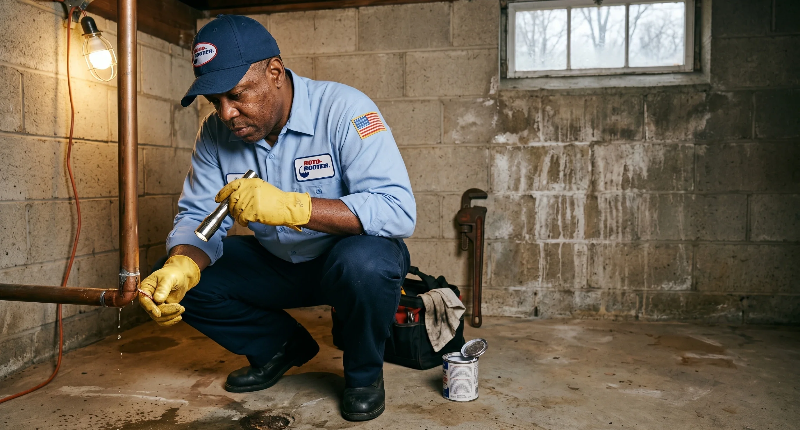
Purchasing a new home is an exciting milestone, but it also comes with its own set of responsibilities and challenges. One of the most critical areas to scrutinize is the basement, particularly in terms of water damage. Water intrusion in basements can lead to structural issues and health hazards, making Basement Water Remediation a top priority for new home buyers. This article offers a comprehensive checklist to help you identify signs of water damage, choose the right tools for remediation, execute effective water extraction and drying processes, and implement preventative measures to avoid future issues.
Identifying Signs of Water Damage in Basements
Before you finalize your home purchase, it's crucial to conduct a thorough inspection of the basement for water damage. Common signs include efflorescence, which appears as a white, powdery substance on walls and floors, indicating moisture presence. Mold growth is another telltale sign, often resulting from prolonged exposure to damp conditions. Additionally, a musty odor can signify hidden moisture issues. To get a clear picture of potential problems, consider hiring a professional with expertise in Indoor Air Quality (IAQ) Measurement. This will help you assess the extent of moisture-related issues in the basement environment. If you encounter extensive damage, take action by contacting a service specializing in
Basement Water Remediation.
Essential Tools for Basement Water Remediation
Effective Basement Water Remediation requires specific tools that cater to the unique challenges of a basement environment. A high-quality dehumidifier is essential to control humidity levels and prevent mold growth. Wet vacuums are invaluable for initial water extraction, especially in cases of minor flooding. Moreover, air movers help accelerate the drying process by circulating air. For a more comprehensive approach, integrating Smart Home solutions can monitor moisture levels and provide alerts for potential water intrusion. For instance, recent guidelines from the Department of Energy suggest using energy-efficient appliances to minimize the risk of moisture buildup.
Steps for Effective Water Extraction and Drying
The process of water extraction and drying is critical for successful Basement Water Remediation. Begin with inspecting the basement for standing water and use wet vacuums to remove it. Follow up with air movers and dehumidifiers to ensure thorough drying. A Soil Percolation Test might be necessary to understand how well the soil around your home drains, affecting the basement's moisture levels. Remember that proper drying can prevent mold growth and protect structural integrity. For those dealing with extensive damage, EPA guidelines recommend consulting a professional Feng Shui Consultant, who can advise on optimal air circulation practices to enhance drying.
Preventative Measures to Avoid Future Water Issues
Once you've addressed existing water damage, it's vital to implement preventative measures to guard against future issues. Start by ensuring your home's gutter and downspout systems are functioning correctly to divert water away from the foundation. Installing a Radon Mitigation System can also help, as it reduces moisture levels by improving air circulation. Furthermore, consider conducting a Childproofing Assessment to identify and seal potential entry points for water. Homeowner Association (HOA) Regulations often provide guidelines on maintaining property drainage systems, which can be a valuable resource in your preventative strategy. Lastly, a Building Permit Application may be required for more extensive waterproofing projects.
Conclusion
Understanding and addressing basement water issues is crucial for new homeowners. By identifying signs of damage, using appropriate tools, executing effective water extraction and drying techniques, and implementing preventative measures, you can maintain a safe and healthy home environment. For new home buyers, prioritizing Basement Water Remediation ensures long-term peace of mind and protects your investment. Whether you use Home Staging Software to plan renovations or consult a Smart Home Integration Specialist, proactive measures can save you time and money down the road.


